
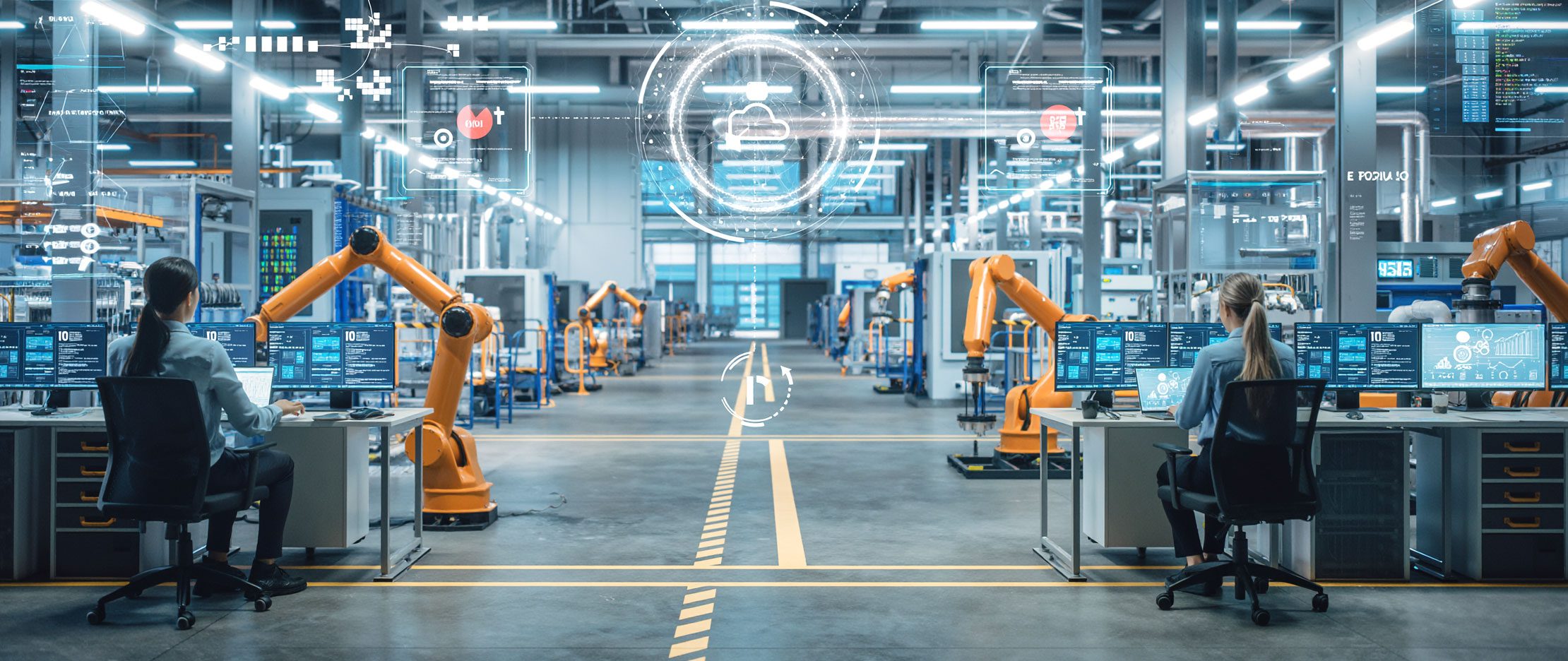
The manufacturing floor looks different than it did a decade ago, shifting from traditional production lines to fully integrated, intelligent operations. Smart plants are transforming industrial manufacturing by turning traditional facilities into interconnected, data-driven powerhouses. At the core of this change are system integration engineers—the architects connecting your existing infrastructure to the potential of Industry 4.0.
But what does this change truly mean for your operations? More importantly, how can you use these advancements to stay competitive in an increasingly automated world?
Understanding the Smart Plants Evolution
Industry 4.0 isn’t just a buzzword—it’s a fundamental change in manufacturing. Smart plants are facilities where cyber-physical systems, the Internet of Things (IoT), cloud computing, and artificial intelligence work together to create seamless, self-optimizing production ecosystems.
The difference is clear. Traditional plants operate in isolation, with separate systems that seldom communicate. In contrast, Smart Plants operate as a single organism, with all sensors, controllers, and machines sharing critical information in real time.
Recognizing the Core of Smart Plants
So, what exactly makes a plant “smart”? A smart plant is a facility that leverages advanced technologies like the Industrial Internet of Things (IIoT), artificial intelligence (AI), and robotics to create a highly connected, automated environment. Unlike traditional factories that often operate in silos, smart plants integrate machinery, software, and people into a single cohesive system.
This integration facilitates real-time data collection and analysis throughout the entire production process. As a result, operators can monitor performance, predict maintenance needs, and make well-informed decisions instantly. The goal is to build a self-optimizing system that reduces waste, minimizes downtime, and quickly adapts to changing market demands.
Key Technologies Driving Smart Plants:
While these technologies are powerful, they don’t automatically connect and work seamlessly. That’s when system integration engineers become essential. These specialized engineers are the architects of the modern smart plant, responsible for designing, implementing, and maintaining the complex network of systems that underpin it.
Their job is to ensure that all the components—from the sensors on the factory floor to the enterprise resource planning (ERP) software in the back office—communicate seamlessly. They are the bridge between operational technology (OT) and information technology (IT).
Creating the Blueprint for Smart Plants
The first step in any integration project is understanding the manufacturer’s unique challenges and goals. A system integration engineer will:
Connecting the Dots: Integration and Implementation
Once the plan is in place, the real work of integration begins. Engineers are tasked with making disparate systems speak the same language. This involves:
For example, in a batch manufacturing setting, an integration engineer ensures that recipe management systems, mixing equipment, and quality control sensors are all perfectly synchronized. This guarantees that every batch is produced to the exact specification, reducing variability and waste.
Optimizing and Maintaining Smart Plant Operations
The role of a system integration engineer doesn’t end after the initial setup. They are vital for the long-term success of a smart plant. Their continuous responsibilities include:
Partnering with skilled system integration engineers to expand your smart plant capabilities offers clear, measurable benefits. It’s not about adopting technology just for the sake of it; it’s about solving real-world business problems.
The move to Industry 4.0 isn’t just a future idea—it’s happening now. System integration engineers are the key to unlocking the full potential of smart factories, turning your facility into a more efficient, flexible, and profitable operation. By connecting your machines and data, they build a truly integrated ecosystem designed for the future of manufacturing.
Ready to discover how system integration can solve your specific operational issues? Let’s start a conversation about your needs and how we can help you build a smarter plant. Contact Magnum Systems today to connect with our controls automation experts.

Magnum Systems podcast series, AIM!
RELATED POSTS
Modular Systems and Smart Upgrades: Enhancing Plant Scalability and Future Preparedness
Systems Integration: Future-Proofing Your Manufacturing Operations Today
Related Post
Stacy Christmann Joins Magnum Systems as Director of Human Resources
The Human Element in System Integration: Why Engineers Are More Important Than Ever
How Unified Namespace Solves Manufacturing’s Data Silo Problem