






Our Solutions

Integrated. Engineered. Accountable.

Complete material handling, packaging, and automation systems engineered for your operation and backed by end-to-end accountability.

  • Discovery

    Understanding your operation before anything 
else gets started. 

  • Plant Automation & Optimization

    Our CSIA-certified experts connect ERP, MES, OEE, CMMS, & Quality to optimize and protect your ROI. 

  • Strategy

    A customized plan built around your goals and timeline. 

  • Engineering 

    Custom-engineered solutions tailored to your operation’s needs. 

  • System Design

    Thoughtful design that aligns every part of your system. 

  • Project Management & Procurement

    On time, on budget—we handle the details so you don’t have to.

  • Manufacturing

    Purpose-built equipment engineered for durable, reliable performance. 

  • Installation

    Precise, on-site installation with minimal disruption to your operations. 

  • Commissioning

    Thorough testing to ensure your system starts reliably. 

  • MagnumCare & Lifecycle Service

    Ongoing support and service that prevents downtime and keeps you running. 

  • Analytics & Reporting

    Data-driven tools that provide actionable insights for making smarter, faster operational decisions. 

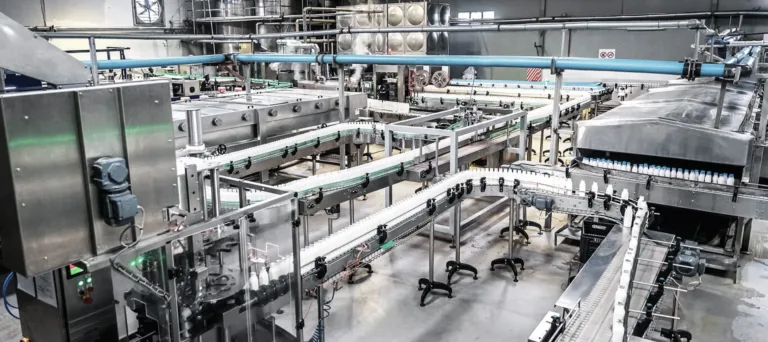
Manufacturing System Integration

Keep your lines up and running with end-to-end system solutions tailored to your production process.

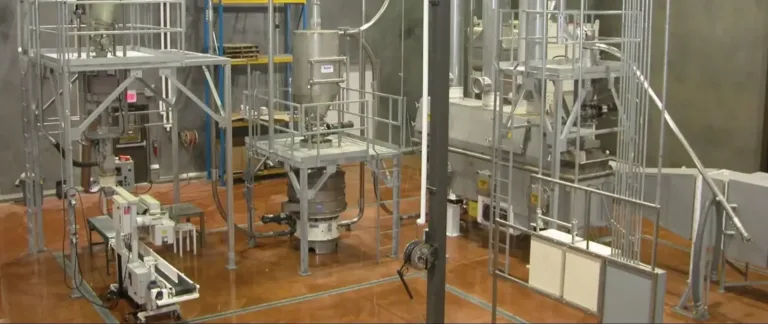
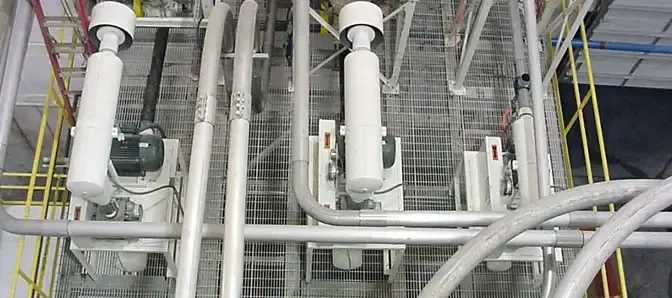
Pneumatic Conveying Systems

Efficiently move bulk solids with pneumatic systems, reducing downtime, waste, and ensuring seamless material handling.

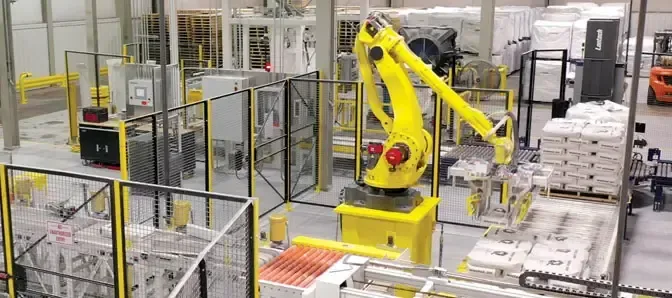
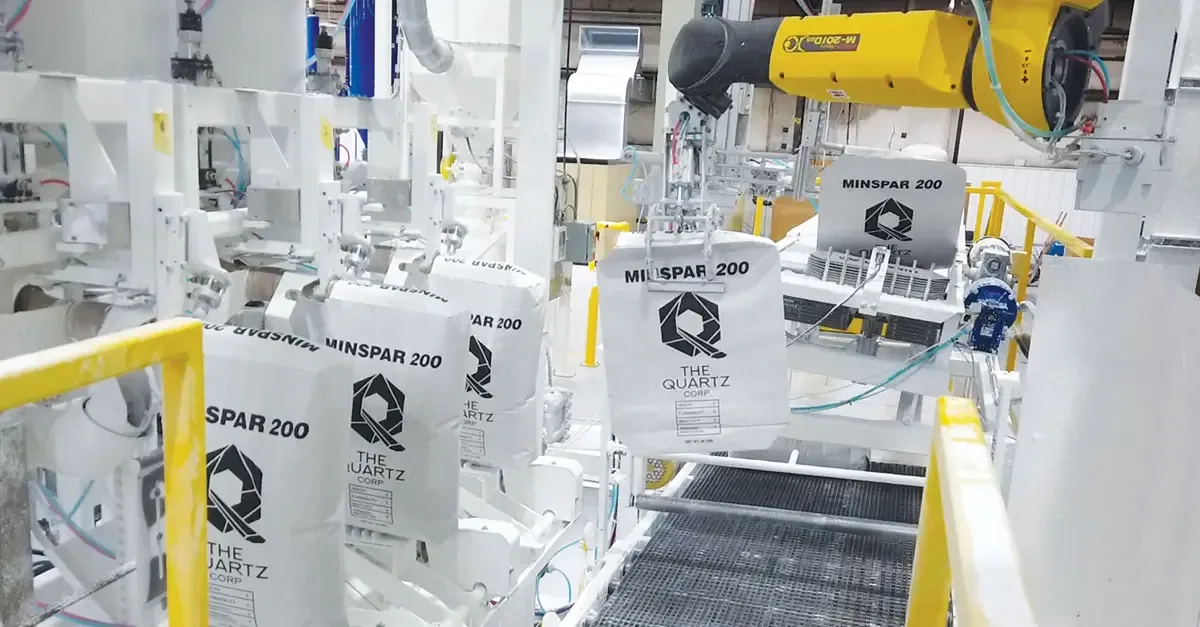
Packaging Systems


Boost profits with adaptable packaging systems ensuring consistency, efficiency, reduced downtime, and scalable growth for businesses.

Plant Optimization & Information

Streamline operations with CSIA-certified automation experts for smarter, more reliable manufacturing.

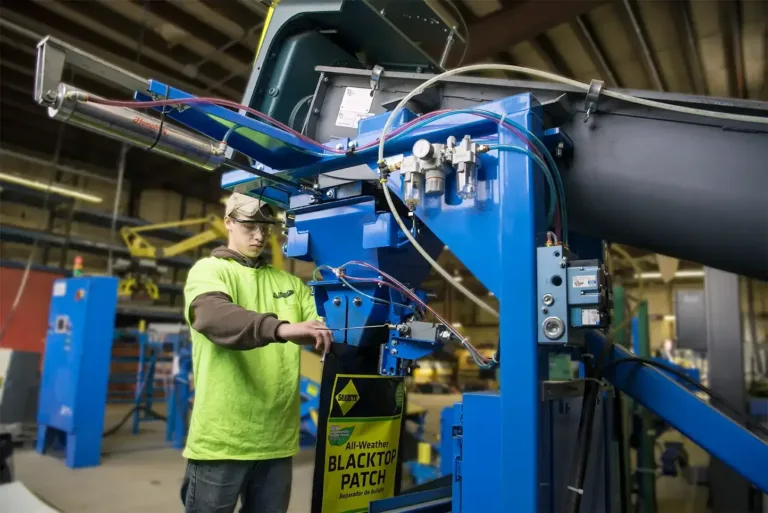
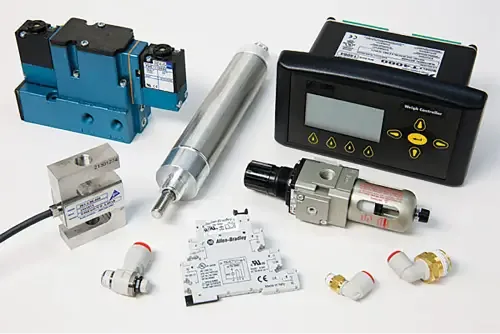
Packaging Components

Reliable components to maximize uptime and ensure seamless packaging system performance.

Pneumatic Conveying Components

Durable pneumatic components for efficient, reliable system performance and reduced downtime.

Order Components &
Parts

Quickly access genuine parts with expert support to ensure the right fit and reduce downtime costs.

Customer Success Story

“Magnum provided a total solution for us from the start of the plant to the warehouse. They provided all the equipment and engineering needed to complete our process. Magnum was with us step by step, revision by revision, ensuring they could meet our company’s needs.”

Chris Gentry, Engineering Manager, The Quartz Corp

Frequently Asked Questions

The following steps are the best approach to ensuring a smooth transition:

  • Thorough planning and project management: Develop a comprehensive implementation strategy.
  • Clear communication and collaboration: Keep all stakeholders informed throughout the process.
  • Comprehensive training and support: Provide thorough training for all employees interacting with the new system.
  • Start small: To minimize disruption, consider implementing the system in phases.

The benefits below are some of the most substantial reasons for your manufacturing operations to invest and install an integrated system on your manufacturing floor.

  • Improved Efficiency and Productivity:
    • Integrated systems can significantly enhance operational efficiency and production by streamlining the flow of materials and products throughout your facility.
  • Cost Reduction:
    • While the initial investment may be higher, integrated systems often lead to long-term cost savings. They can help reduce inventory, shorten delivery times, and lower overall handling costs in manufacturing, distribution, and transportation.
  • Enhanced Customer Service:
    • With a more efficient and reliable production process, you can improve order fulfillment rates and respond more quickly to customer demands. This can lead to increased customer satisfaction and loyalty.
  • Better Inventory Management and Traceability:
    • Integrated systems allow for real-time inventory tracking and monitoring, providing greater accuracy and visibility. This helps reduce errors, prevent stockouts or overstocking, and streamline supply chain operations.
  • Enhanced Product Quality and Consistency:
    • By integrating advanced production systems, you can standardize processes and reduce variability. This leads to higher quality products and ensures consistent outcomes, always meeting customer expectations.
  • Flexibility and Scalability to Adapt to Changing Demands:
    • Integrated systems provide the flexibility to scale operations up or down based on demand. This adaptability ensures you can respond efficiently to market fluctuations, seasonal trends, or unexpected changes, maintaining optimal performance at all times.

  • Manufacturing industries that heavily rely on complex production processes, high levels of customization, just-in-time inventory management, or rapid response to market changes tend to gain significant benefits from a custom integrated system.
  • These industries include automotive, electronics, pharmaceuticals, food and beverage, aerospace, and chemical manufacturing; essentially, any industry where streamlined data flow and real-time decision-making can improve efficiency and quality control across the entire production cycle.
  • Here are some specific examples of how different industries reap the rewards from investing in integrated systems:
    • Automotive: Optimizing assembly lines, managing complex component variations, and tracking vehicle configurations throughout production.
    • Electronics: Coordinating intricate circuit board assembly processes, ensuring component traceability, and managing rapid product iterations.
    • Pharmaceuticals: Strict quality control measures, batch tracking, and compliance with regulatory requirements.
    • Food and Beverage: Maintaining hygiene standards, managing ingredient inventory, and optimizing packaging processes.

Investing in an integrated system requires a comprehensive evaluation to ensure alignment with business goals and operational efficiency. The following considerations serve as a roadmap for making an informed decision:

  • Evaluation of Current Workflows, Processes, and Pain Points:
    • Start by thoroughly assessing your existing workflows and identifying bottlenecks or inefficiencies. Pinpointing these pain points will clarify how an integrated system can address specific gaps and streamline operations.
  • Understanding Specific Business Needs and Goals:
    • Clearly define your organization’s objectives and requirements. Whether improving operational efficiency, enhancing data accuracy, or supporting expansion, understanding your overarching goals ensures the integrated system aligns with your strategic vision.
  • Compatibility and Integration with Existing Systems:
    • Seamless integration with your current infrastructure is critical to avoid disruptions. Evaluate whether the new system is compatible with existing software and hardware, ensuring interoperability across your organization’s ecosystem.
  • Scalability to Accommodate Future Growth and Expansion:
    • Plan by selecting a system that can grow with your business. An integrated solution should be scalable, supporting additional users, functionalities, or locations as your operations expand.
  • Cost Analysis and Return on Investment (ROI) Considerations:
    • Conduct a detailed cost analysis to weigh the investment against potential benefits. Look beyond upfront expenses to assess long-term savings, efficiency gains, and the overall ROI an integrated system can deliver.
  • Vendor Selection and Partnership:
    • Choosing the right vendor is as important as selecting the right system. Evaluate providers based on their experience, expertise in your industry, and track record with successful implementations. A trusted vendor collaboration ensures ongoing support and system reliability.
    • By considering these factors, businesses can confidently select an integrated system that maximizes operational efficiency, fosters long-term growth, and delivers measurable results..

  • Initial implementation complexities include aligning the new system with your existing infrastructure.
  • Ensuring compatibility with legacy equipment or software may require careful planning and upgrades.
  • Substantial upfront costs necessitate a thorough cost-benefit analysis to justify the investment.
  • Time and effort are required for staff training, as employees must be adequately trained to operate the new system efficiently and safely, potentially impacting productivity temporarily.
  • Risk of operational disruptions or downtime during implementation, which can be mitigated through proper project management and phased rollouts.
  • Ongoing maintenance and support demand to ensure optimal performance over time, requiring dedicated resources for system upkeep and troubleshooting.

Get Started