


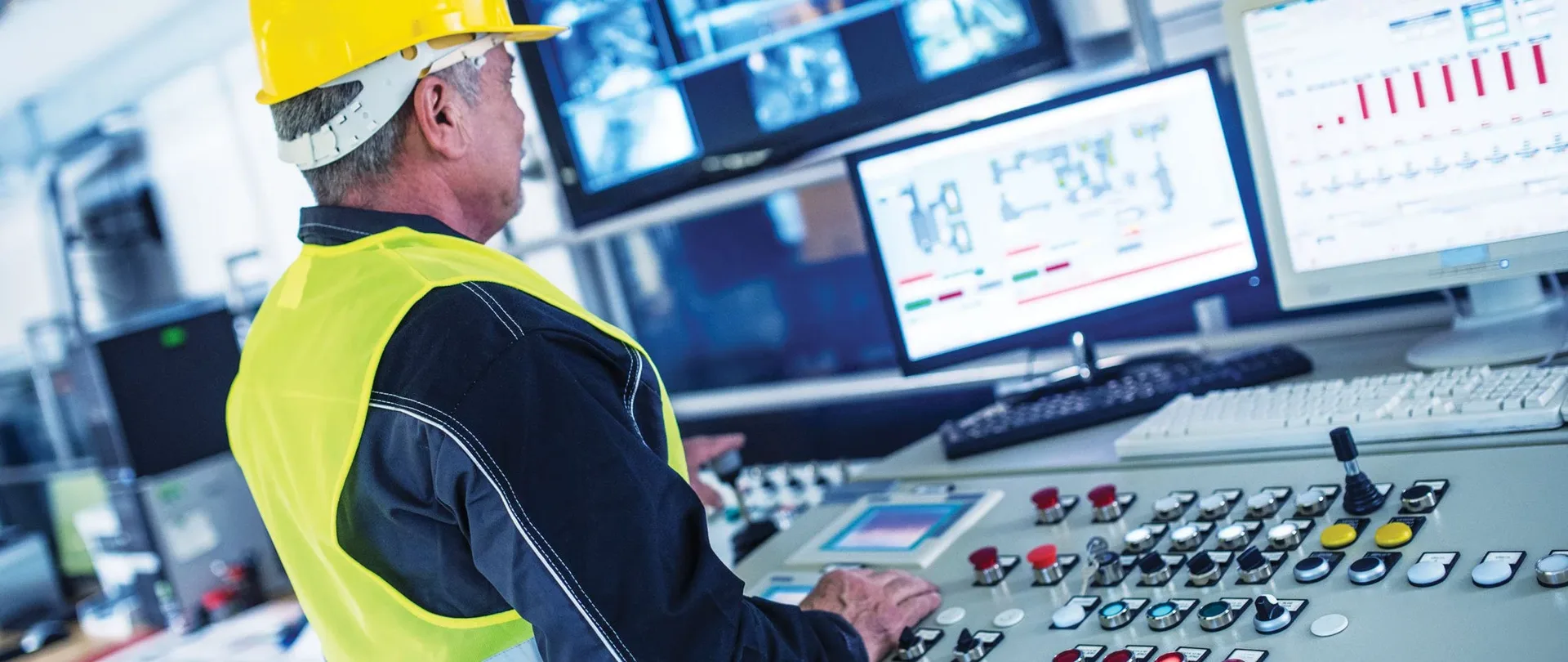
It usually starts small. A controls glitch here, a mechanical hiccup there, a safety interlock overlooked during startup. On their own, none of these issues seem catastrophic—until they compound into unplanned downtime, frustrated operators, and a plant manager fielding calls from three vendors, each insisting the problem lies somewhere else.
If this sounds familiar, you already know the real issue isn’t any single piece of equipment. Mechanical systems, controls, automation, and safety were never designed to work together. That’s the thinking behind integrated plant systems: reliability isn’t something you buy off the shelf. It’s something you engineer, deliberately, from the ground up.
What Integrated Plant Systems Actually Look Like
At its core, integration means every layer of a plant—mechanical equipment, process design, controls, automation, data, safety, and commissioning—is coordinated as a single operation, not stitched together after the fact. Each piece is designed with the others in mind from day one.
Most plant reliability issues don’t stem from a single component failing outright. More often, they trace back to a handful of vendors and teams solving their own piece of the puzzle without full visibility into how it fits with the rest. The mechanical design team hands off to controls. Controls hands off to automation. Safety gets layered in near the end. Each handoff is a chance for something to be lost, and those small gaps are exactly where unplanned downtime tends to occur.
Integrated plant systems close those gaps by design, not by accident.
Why Disconnected Systems Undermine Plant Reliability
Across food and beverage, life sciences, chemicals, plastics, metals, and water/wastewater operations, the pattern looks remarkably similar. Controls software that doesn’t fully “speak the language” of the mechanical equipment it’s meant to run. Automation bolted onto an existing line rather than built around it. Safety systems treated as a final compliance checkbox instead of a foundational design consideration.
None of these issues appear as a single, obvious failure. Instead, they surface as recurring inefficiencies: operators working around limitations instead of with the system, maintenance teams troubleshooting blind because data isn’t flowing where it’s needed, and plant reliability quietly eroding, one small workaround at a time.
The common thread is a lack of coordinated planning. When systems are designed in isolation, reliability becomes something you chase after the fact, rather than something built in from the start.
Integration as a Discipline, Not a Feature List
This is where the distinction matters most: integration isn’t a feature checklist or a bundle of add-on services. It’s a discipline grounded in an approach to plant design in which engineering, automation, controls, and commissioning are planned together from the earliest conversations, rather than layered on sequentially.
That’s the idea behind Magnum Systems’ promise to be Built To Run Better. It’s not a tagline pinned to a finished project; it describes how the work actually happens. When mechanical design and controls engineers are in the same conversation from day one, automation isn’t a retrofit—it’s part of the original blueprint. When safety is considered alongside process design rather than after the fact, it strengthens the system rather than constraining it.
This discipline also means fewer handoffs and less finger-pointing. When a single, coordinated team owns the full picture, from initial engineering through commissioning, accountability doesn’t get lost in the gaps between vendors. Problems are solved at the design stage, where they’re cheapest and easiest to fix, rather than on the plant floor, where they’re disruptive and costly.
The result isn’t just a plant that runs; it’s built to keep running better over time as conditions, throughput demands, and technology evolve.
How Systems Integration Translates to Real-World Performance
Consider a plant undergoing a controls upgrade. If that upgrade is planned in isolation, it may function technically, but it can also create friction with existing mechanical equipment that wasn’t part of the conversation. Throughput assumptions may not match real-world line speeds. Data may not flow cleanly into the systems operators rely on daily.
Now consider the same upgrade planned jointly by mechanical, automation, and controls teams from the outset. The equipment, software, and data architecture are designed to work as one system rather than three overlapping ones. Commissioning goes more smoothly because there are fewer surprises, as the teams already understand how each piece affects the others.
This is what systems integration looks like in practice: not a single dramatic improvement, but a plant where every layer reinforces the others, reducing the small frictions that otherwise add up to downtime, inefficiency, and unplanned costs.
Build a Plant That Runs Better From Day One
If your team is planning a new line, a controls upgrade, or a full facility retrofit, the biggest decision isn’t which vendor to call first; it’s whether you’re building a single coordinated system or assembling disconnected parts. Magnum Systems designs, builds, and commissions mechanical, controls, automation, and safety as a single integrated operation, so reliability is engineered in from day one instead of chased after startup.
Talk to Our Integration Team Today
Frequently Asked Questions: Integrated Plant Systems and Reliability
Integration raises many practical questions, and that’s a good sign. It means you’re thinking about reliability the right way. Below, we’ve answered the questions plant leaders and engineers ask us most, covering what integrated systems involve and how they perform over a plant’s full lifecycle. Read on to see how a coordinated approach can improve your plant’s performance.
Q: What are integrated plant systems?
A: Integrated plant systems are manufacturing environments where mechanical equipment, process design, controls, automation, data, safety, and commissioning are engineered and operated as a single, coordinated whole, rather than assembled from separately sourced components managed by disconnected vendors. The defining characteristic is unified accountability across every element of the system, from initial engineering through commissioning and long-term lifecycle support.
Q: Why do disconnected systems reduce plant reliability?
A: Disconnected systems decrease plant reliability because failures often stem from gaps between separately designed components, not the components themselves. When controls are specified separately from mechanical equipment, timing mismatches and signal conflicts cause recurring faults that no single vendor can fully address.
Layered automation often compensates for fixed decisions rather than preventing causes of stoppages. Treating safety as a final review, rather than a design input, leads to workarounds that compromise protection and throughput. These gaps create a fragile system that fails only when a line stops.
Q: How do integrated plant systems help reduce downtime?
A: Integrated plant systems minimize downtime by closing coordination gaps where unplanned stoppages often start. When mechanical equipment, controls, automation, and safety are designed together under a single process, the system behaves predictably.
Controls are written with full mechanical understanding, automation is integrated from the start, and safety is a core design input. This coordination results in fewer faults, quicker commissioning, and easier diagnosis and support throughout the system’s lifecycle.
Q: What should plant leaders look for in a systems integration partner?
A: Plant leaders should choose a partner who is accountable for the entire system—from design to long-term support—and manages mechanical, controls, and automation decisions from the start. True integration involves predicting issues and having a clear commissioning process to ensure the system functions as intended before production.
Q: What is the difference between a systems integrator and an equipment vendor?
A: An equipment vendor is responsible for component performance alone, while a systems integrator oversees how mechanical, controls, automation, data, and safety work together. The key difference shows up at startup, during troubleshooting, and over the plant’s life. A true systems integrator assigns one owner to the entire outcome, unlike multiple vendors responsible for their parts.
Related Posts
Your Digital Transformation Is Stalling—And Here’s Why (Part One)
Stop the Stall: Full Support That Goes From Design to Lifecycle (Part Two)