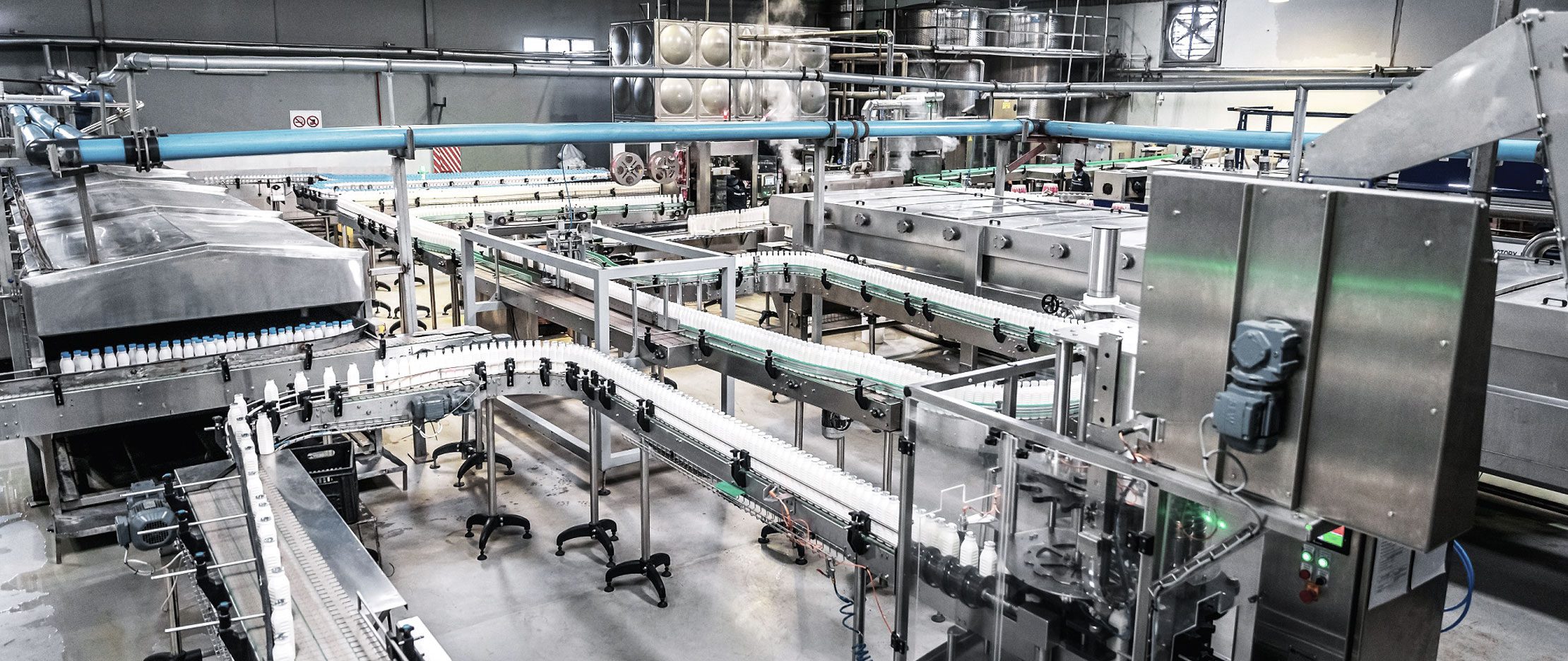
If your packaging line is running but not reporting—producing without predicting—you might be missing out on significant operational value. Controls automation is essential for turning reliable packaging equipment into a fully connected, insight-driven production system. Whether you manage a single facility or oversee multiple plants, integrating advanced automation software with your existing machinery delivers measurable gains in efficiency, uptime, and visibility—without a complete system overhaul.
Today’s packaging systems are designed for high performance. However, having high-performance equipment alone doesn’t provide operations teams with the real-time insights they need to prevent downtime, inefficiencies, or quality issues. That’s exactly where controls automation changes the game.
By layering advanced automation software over your packaging equipment, you gain access to a continuous stream of actionable production data. Specifically, this includes:
“These capabilities give operations teams deeper visibility into production health and equipment performance, enabling faster root-cause analysis, more effective maintenance planning, and both reactive and proactive decision-making,” says John Parraga, Director of Process Automation. “These enhancements can be implemented on new systems or retrofitted into existing installations without disrupting current operations.”
One of the most common concerns among plant managers and operations leaders is compatibility. Will new automation software work with our existing platforms? Will it require ripping out infrastructure we’ve already invested in?
The answer, with the right partner, is no. A vendor-agnostic approach to controls automation ensures flexibility across many platforms—meaning your team can use existing tools and systems instead of starting from scratch.
“This controls automation expertise brings deep expertise in automation software solutions across a wide variety of platforms and a vendor-agnostic approach that ensures flexibility for any environment,” Parraga says. “This allows our customers to unlock even greater value from their existing and new machines, without compromising the simplicity and effectiveness that operators rely on.”
For plant managers, assessing bagging systems or complete packaging solutions, this provides a smoother route to automation—and a quicker return on investment.
In multi-plant environments, the ability to connect machine-level data to enterprise systems is a critical differentiator. Controls automation enables tighter integration with ERP and inventory platforms, allowing production, quality, and material data to flow seamlessly beyond the machine.
In practice, this involves extending insight from the packaging line through outbound storage, logistics, and transportation—while maintaining reliable, local control at the equipment level. As a result, operators, quality teams, and management all gain a comprehensive, unified view of their production system.
This level of integration is especially useful when handling:
Solutions that include a strong controls automation strategy demonstrate how enterprise-level connectivity transforms packaging lines from isolated workstations into integrated nodes within a broader operational network.
Many people believe that controls automation applies only to new equipment purchases. In fact, these capabilities can be retrofitted into existing systems—meaning you don’t have to replace what’s already working to get the visibility and intelligence your operations need.
Whether you’re commissioning a new palletizing system or modernizing an existing filling and conveying line, automation software can be integrated without disrupting day-to-day production.
This flexibility is especially useful for facilities working on tight production schedules that can’t handle extended downtime for upgrades. A phased, non-disruptive approach lets your team start gathering OEE data, downtime codes, and material-use insights immediately—then expand from there.
The real value of controls automation isn’t just in what it does today—it’s in what it enables for the future. When high-performance packaging equipment serves as the backbone and flexible, well-integrated software provides visibility and control, the result is an operation that grows with your business.
“By adding controls automation, your plant operations can benefit from a unified approach where high-performance packaging equipment serves as the backbone, and flexible, well-integrated software provides visibility, insight, and control across the operation,” Parraga says. “The result is a scalable path forward: powerful machines today, with the insight and flexibility needed for tomorrow.”
For plant managers, operations directors, and engineering leaders, this unified approach results in less firefighting and more time to focus on strategic improvements. Discover how end-to-end packaging solutions from Magnum Systems provide exactly that.
For organizations managing multiple facilities, standardization is crucial. Controls automation ensures consistent use of downtime codes, performance benchmarks, and quality verification procedures across all plants—creating a common language for production performance that enables meaningful comparisons and faster corporate-level decisions.
Furthermore, when production data flows smoothly into your ERP and inventory systems, procurement, scheduling, and logistics teams all gain advantages. The outcome is a more flexible operation—one that can respond more quickly to shifts in demand, quality issues, or supply chain disruptions than ever before.
Your packaging equipment is already doing the heavy lifting. Controls automation provides it—and your entire operation—a smarter way to work. From OEE reporting and downtime analytics to full ERP integration, the tools are available now, whether you’re starting fresh or building on what you already have.
Don’t settle for a packaging line that operates without insight. Contact Magnum Systems today to explore how controls automation can transform your operation into an intelligent, connected, and future-ready production system.

Magnum Systems podcast series, AIM!
RELATED POSTS
Top Five Benefits of Combining Pneumatic Conveying and Process Automation
Modular Systems and Smart Upgrades: Enhancing Plant Scalability and Future Preparedness
Related Post
Stacy Christmann Joins Magnum Systems as Director of Human Resources
The Human Element in System Integration: Why Engineers Are More Important Than Ever
How Unified Namespace Solves Manufacturing’s Data Silo Problem