
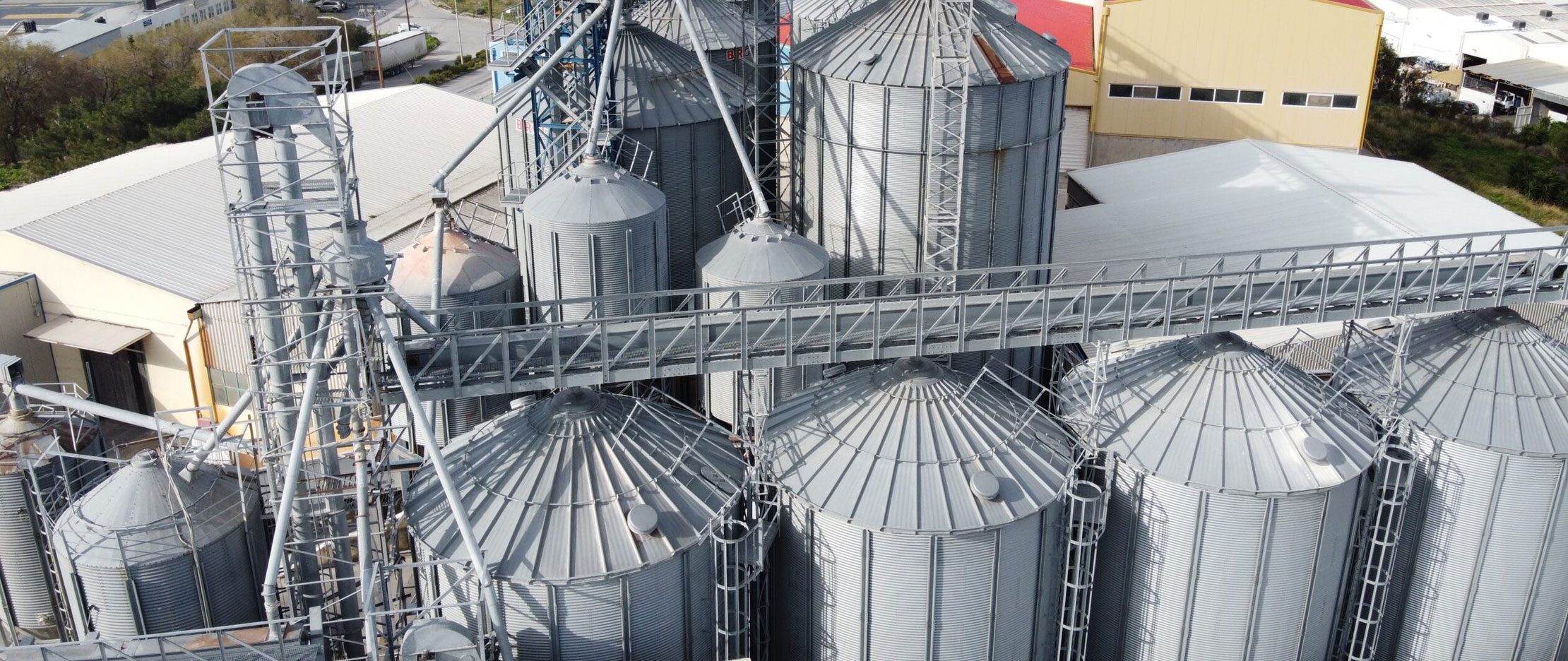
If you manage a plant—or a network of plants—you already understand the pressure. Customers demand on-time delivery. Production schedules are tight. However, your legacy systems, manual processes, and disconnected equipment are quietly costing you money every day.
You need automation. But the thought of stopping production to put it in place? That's usually unavoidable.
The good news is that you don't have to choose between upgrading your operation and keeping your line running. A well-crafted, phased automation plan allows you to do both—strategically, systematically, and without sacrificing throughput.
Here's how to build one.
What Is a Phased Automation Roadmap? And Why Is It Important?
A phased automation roadmap is a clear, step-by-step plan for gradually adding automated systems to your operations. Instead of trying to overhaul the entire facility at once, you prioritize high-impact areas, implement solutions in stages, and validate results before moving to the next phase.
This approach matters because:
For multi-plant operations, a phased approach enables you to test at one facility and then replicate success across others, efficiently and reliably.
Phase 1: Assess Before You Invest
Every effective automation strategy starts with an honest look at where you are today.
Before you implement anything, map out your current processes. Identify where bottlenecks happen, where manual work is concentrated, where errors occur most frequently, and where data is siloed or simply unavailable. This baseline assessment forms your foundation.
Key questions to ask during assessment:
The goal isn't to automate everything at once. The goal is to identify the highest-value starting points, the places where automation will deliver the fastest, most measurable returns. Solutions such as integrated material handling and conveying systems are often ideal first-phase candidates because they directly impact throughput and labor efficiency without requiring a facility-wide shutdown.
Phase 2: Prioritize by Impact and Risk
After completing your assessment, prioritize your automation opportunities based on two factors: potential impact and implementation risk.
High-impact, low-risk areas should be prioritized first. These are your "quick wins" — the phases that demonstrate the concept, establish organizational trust, and deliver early ROI.
For most industrial facilities, this typically means starting with:
Each of these can often be implemented during planned maintenance windows or scheduled shutdowns — ensuring production disruption is planned, brief, and controlled.
Phase 3: Design for Integration from Day One
Here's where many companies go wrong: they automate in silos. They install a conveying system here, a packaging line there, and a monitoring dashboard somewhere else. The result is a collection of disconnected solutions that still require manual coordination.
True automation involves integration. Every system deployed in Phase 1 should be planned with Phase 3 in mind.
An end-to-end, integrated solution connects your material handling, conveying, batching, filling, packaging, and reporting systems into a single, unified ecosystem. This is the difference between automating tasks and automating your entire operation.
When your systems communicate with each other, you gain:
Learn how end-to-end bulk material handling solutions can be designed to connect seamlessly at every stage of your process.
Phase 4: Pilot, Validate, and Refine
Before rolling out automation facility-wide or across multiple plants, run a pilot first. Select a production line or process segment that reflects your overall operation and implement the initial phase there.
During the pilot, track everything, including:
Use this data not just to validate ROI but also to improve your roadmap for future phases. What was effective? What needed changes? What caught you off guard?
This validation step is especially vital for multi-plant operations. A successful pilot at one facility provides a proven playbook—along with real performance data—to speed up deployment at other locations. Learn more about scalable solutions made for multi-plant environments.
Phase 5: Scale and Optimize Continuously
Once your pilot is validated, you're ready to scale. And this is where the compounded advantages of a phased automation approach truly shine.
With each new phase, your teams become more experienced, your data grows richer, and your integration deepens. You're not just adding automation. You're creating a smarter, more advanced operation.
At scale, a fully integrated automated system allows for:
This is what distinguishes companies that automate from those that truly transform. Discover how pneumatic conveying and automation systems can grow with your expanding operation.
Choosing the Right Automation Partner
A phased roadmap is only as effective as the partner helping you implement it. The right partner not only sells equipment but also understands your process, constraints, industry, and goals.
Look for a partner who can offer:
When your partner acts as a single-source provider throughout the entire automation process, from assessment to optimization, you remove the coordination challenges and decrease risk at every phase. See how Magnum delivers integrated automation expertise for industrial manufacturers.
The Bottom Line: Automation Doesn't Have to Cause Disruption
The fear of downtime shouldn't keep your operation stuck in the past. With the right phased approach, integration strategy, and partner, you can modernize your plant — or your entire network of plants — without stopping production.
Every phase you complete brings you closer to an operation that is faster, more accurate, more visible, and more competitive. The companies winning in today's industrial landscape aren't the ones who waited for the "perfect time" to automate. They're the ones who built a smart roadmap and started.
Ready to Build Your Automation Roadmap?
You don't have to figure this out alone. Whether you're just starting to explore automation or ready to speed up a plan already in progress, our team is here to help you develop a phased strategy that fits your operation, budget, and timeline.
Contact our team today to schedule a consultation and take the first step toward a fully integrated, automated operation—without stopping your line.

Magnum Systems podcast series, AIM!
RELATED POSTS
Modular Systems and Smart Upgrades: Enhancing Plant Scalability and Future Preparedness
Plant-Wide Integrated System Testing: The Hidden Cost of Fragmented Solutions
Custom Systems Integration: Why One-Size-Fits-All Solutions Fail
Related Post
Stronger Systems, Smarter Insight: Expanding the Value of Custom Packaging Solutions
From Overfill to Overhead: How Better Controls Reduce Waste in Bulk Material Handling