
We are seeing a global shift toward renewable energy that is drastically changing industries worldwide, particularly mining. As businesses and governments worldwide strive to achieve net-zero emissions, critical minerals such as lithium, copper, nickel, and cobalt are essential to this energy transition. These vital resources support renewable energy technologies, including wind turbines, solar panels, battery storage systems, and electric vehicles (EVs).
For industrial manufacturers, this transformation isn’t just theoretical—it’s changing market demand, production planning, and supply chain continuity in real time. Challenges lie not only in extracting these minerals but also in efficiently and sustainably scaling production to meet this growing demand for cleaner power.
The numbers behind the energy transition are staggering. According to the International Energy Agency (IEA), an energy system powered by clean energy technologies differs significantly from one fueled by traditional hydrocarbons. Solar photovoltaic (PV) plants, wind farms, and electric vehicles generally require more minerals to construct than their fossil-fuel-based counterparts.
The specific demands center on a few key resources:
As nations commit to achieving net-zero targets, the supply chain for critical minerals is under significant strain. Mining companies are racing to expand current operations and develop new deposits. However, simply drilling more holes isn’t the answer. Ore grades are declining in many established mines, which requires the processing of more rock to extract the same amount of metal. This situation forces operators to reconsider their processing methods.
To keep up with the energy transition, mining operations are changing. It is no longer enough to extract raw materials; the focus has shifted to optimization, accuracy, and speed.
Expanding Capacity and Improving Efficiency
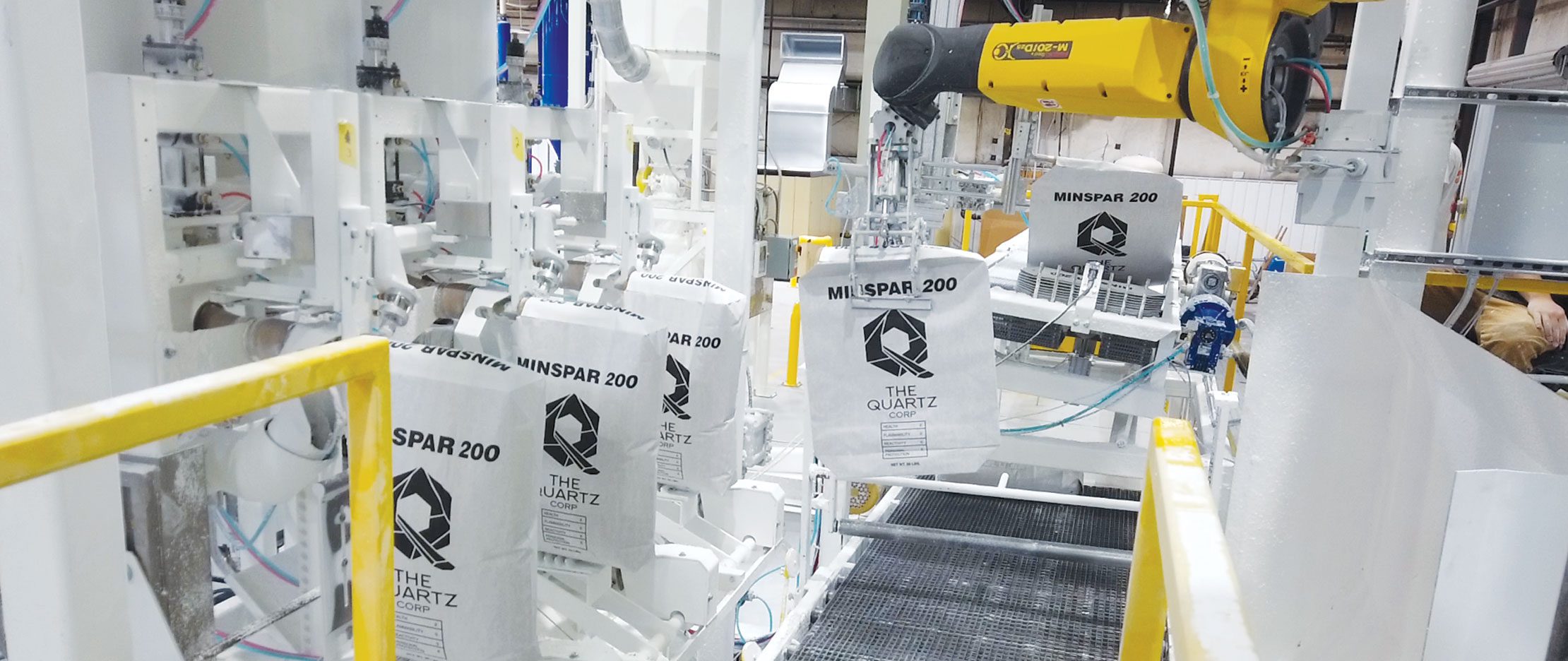
Mining companies are investing heavily to expand their processing capabilities. This isn’t just about buying larger trucks; it’s about improving the way materials are handled from the pit to the plant. Efficient material handling systems are crucial for moving large amounts of ore without creating bottlenecks. Pneumatic conveying systems and accurate feeding equipment ensure that raw materials flow smoothly through crushing, grinding, and separation processes.
Embracing Automation and Control
The biggest change in the sector is the quick adoption of automation. To maximize recovery of critical minerals from lower-grade ores, processing plants require strict operational control.
Advanced systems integration and batch control automation are now standard necessities rather than luxuries. Automated controls allow for:
Sustainable Processing
Sustainability is a double-edged sword for miners. They are producing the materials needed for a green future, but they must do so with a lower environmental footprint. This means reducing water usage, minimizing dust emissions, and managing tailings responsibly. Modern material handling systems are designed to be enclosed and dust-tight, protecting both the environment and the workers while preventing the loss of valuable product.
For industrial manufacturers involved in the mining supply chain, the pressure to deliver is high. Whether you are processing lithium brine or crushing copper ore, your plant’s efficiency depends on how well your systems communicate.
This is where a systems integrator becomes an essential partner. A mining operation is a complex ecosystem of conveyors, feeders, mills, and separators. If these components operate in silos, efficiency declines.
A specialized systems integrator with a strong background in controls automation brings everything together. By integrating Programmable Logic Controllers (PLCs) and Human Machine Interfaces (HMIs), operators gain a comprehensive view of the plant. This connectivity delivers:
Securing a reliable supply of critical minerals demands a manufacturing process that is reliable, repeatable, and scalable.
The Future of Energy Depends on Precision
The shift to renewable energy is accelerating. As EV adoption increases and renewable energy grids expand, dependence on mining will deepen. The winners in this new era will be operations that prioritize efficiency and technology.
Extracting critical minerals is complex, but the systems used to process them don’t have to be. By leveraging advanced automation and strong material-handling solutions, mining companies can meet future demands head-on. It takes more than just geology to power the energy transition; it takes smart engineering and precise control.
Start Building Smarter Systems Today
Whether you support the mining, processing, or manufacturing of critical minerals, your system’s performance is critical. Magnum Systems understands the unique challenges of the mining and minerals industry. We don’t just supply equipment; we have the deep expertise to partner with industrial manufacturers to design integrated, automated end-to-end systems that enhance your plant’s precision, safety, and sustainability.
Ready to optimize your operation for the critical minerals boom? Contact us today to talk about your specific needs.

Magnum Systems podcast series, AIM!
RELATED POSTS
Digital Transformation in Mining: The Systems Integrator’s Prospect
Smart Flow Part One: The Hidden Cost of Material Segregation — How Smart Flow Design Saves Millions
Understanding Material Characteristics in Bulk Material Handling Design
Related Post
Stacy Christmann Joins Magnum Systems as Director of Human Resources
The Human Element in System Integration: Why Engineers Are More Important Than Ever
How Unified Namespace Solves Manufacturing’s Data Silo Problem