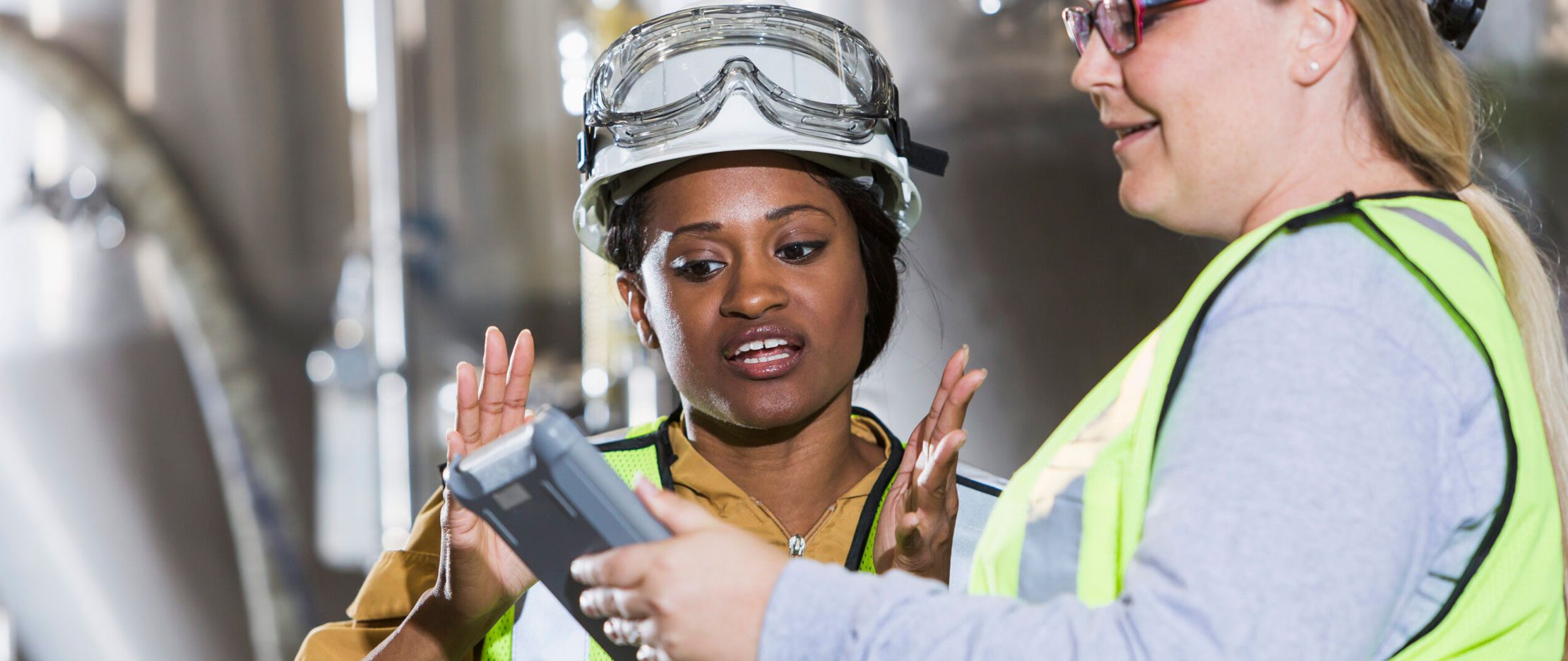
Walk through any modern manufacturing plant, and you might notice the hum of automation. Conveyor belts move smoothly, robotic arms perform precise tasks, and data flows into control rooms instantly. It’s easy to see this landscape and think machines are in control. However, behind the sleek surface of automation is a complex web of decision-making, problem-solving, and creativity that no algorithm can replace. This is the core of system integration—a discipline where the most vital element isn’t the hardware or the software, but the human engineer.
Effective system integration involves more than just connecting wires or programming PLCs; it’s the art of bringing together different subsystems into a seamless, efficient whole. While technology offers the tools, it takes a human expert to use them effectively. In this post, we will explore why skilled system integration engineers remain crucial to industrial success and how balancing automation with human expertise ensures your facility performs at its best.
Automation is great at repetition and accuracy. If you need a task done precisely the same way a million times, a machine is your best choice. However, manufacturing settings are rarely fixed. They are dynamic systems influenced by varying raw materials, changing environmental conditions, and evolving production goals.
Skilled engineers bring something to the table that software cannot: intuition born from experience.
One of the biggest challenges in modern manufacturing is integrating Information Technology (IT) and Operational Technology (OT). IT manages data like sales figures, inventory levels, and enterprise resource planning. OT controls the physical equipment, such as motors, valves, and sensors.
Historically, these two worlds operated in silos. Today, efficiency demands they speak the same language. This is where the human element of system integration becomes critical.
Engineers serve as translators. They understand the rigorous security protocols required by IT departments while honoring the real-time, non-negotiable needs of the plant floor. A piece of software might require a security patch that requires a reboot, but an engineer knows you cannot reboot a system controlling a chemical reaction mid-batch. Managing these conflicting priorities requires negotiation, understanding, and creative problem-solving—traits that remain uniquely human.
Off-the-shelf solutions work well for common problems. However, most industrial challenges are quite different. This is especially true in batch control and material handling, where your product’s unique properties shape the system design.
Think about a pneumatic conveying system. Moving plastic pellets is very different from moving fine sugar or abrasive sand. A standard automation script might treat them all as “bulk material,” which can cause clogged lines, damaged products, or equipment failure.
A system integration expert doesn’t just rely on a template. They analyze the material properties and tailor the control logic accordingly. They adjust air-to-cloth ratios, fine-tune valve sequencing, and optimize purge cycles based on practical knowledge of material flow. This customization helps protect your product quality and extend your equipment’s lifespan.
It might seem counterintuitive to discuss relationships in the context of machines, but the partnership between a manufacturer and its systems integrator is essential.
When you hire a systems integrator, you’re not just purchasing a service; you’re forming a partnership. The best results come from open communication and a thorough understanding of your specific operational goals.
The claim that robots will take everyone’s jobs is worn out and incorrect. The future of manufacturing is teamwork. It involves “cobots” working with technicians, and AI helping engineers make smarter decisions.
In the future, demand for advanced system integration expertise will continue to rise. As systems become more complex, the need for someone to oversee the architecture, ensure safety, and analyze data becomes even more vital.
We are moving toward an era where the engineer is the conductor of an increasingly complex orchestra. The instruments (the machines) are better than ever, but they still need a conductor to ensure they play in harmony.
Investing in automation is a significant financial decision. To achieve the best return on that investment (ROI), you also need to equally invest in the expertise required to implement it.
Relying solely on technology without skilled engineers is like buying a Formula 1 car and asking someone with a learner’s permit to drive it. You might have the best hardware available, but you won’t win the race.
By highlighting the human element in system integration, you ensure your automation aligns with your business goals rather than making your business conform to rigid technology.
At Magnum Systems, we believe the best automation solutions start with people. Our team of controls automation and batch control experts is ready to listen to your challenges and develop a system tailored to your needs.
Don’t let your next project be another installation. Make it a genuine integration of technology and talent.
Get in touch with us today to discuss your specific needs.

Magnum Systems podcast series, AIM!
RELATED POSTS
From Industry 4.0 to Industry 5.0: A Human-Centered Approach to Manufacturing Automation
Custom Systems Integration: Why One-Size-Fits-All Solutions Fail
The Role of a Systems Integrator in Transforming the Mining Workforce
Related Post
How to Build a Phased Automation Roadmap When Downtime Is Not an Option
How Controls Automation Unlocks the Full Value of Your Packaging Systems
Stacy Christmann Joins Magnum Systems as Director of Human Resources