


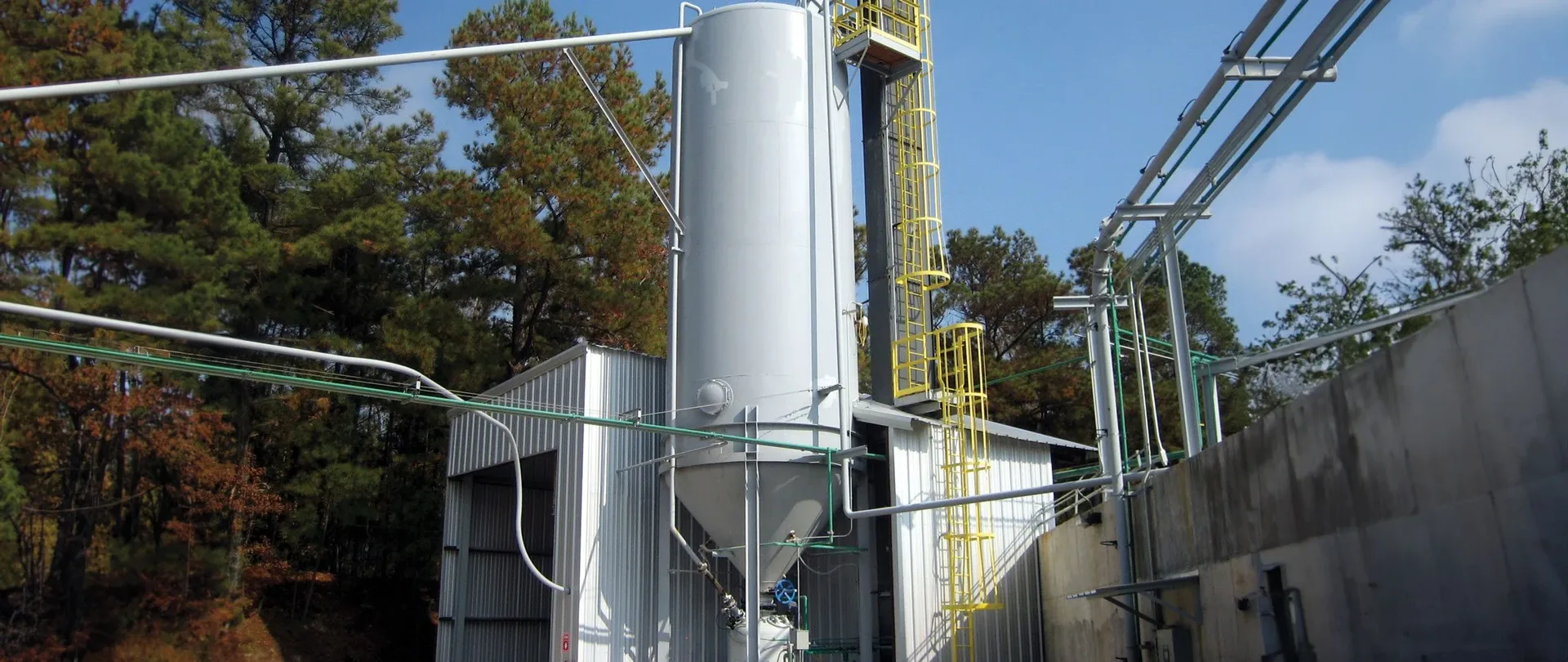
Bridging is a common issue in bulk solid material handling and can lead to significant problems such as disrupting production, resulting in product loss, and causing costly downtime. To effectively prevent bridging, it is essential to understand the underlying causes and implement best practices. Here we will explore practical and effective strategies to prevent bridging in silos and ensure smooth material flow.
Understanding Bridging in Silos
Bridging occurs when particles in a bulk solid material interlock or bond together, forming a stable arch above the silo outlet that prevents material flow. Factors such as moisture content, particle size and distribution, bulk density, and silo design can influence the likelihood of bridging. Recognizing these factors helps in assessing and addressing the issue effectively.
Material Properties
Understanding the properties of the bulk solid material being stored is essential. Some materials are more prone to bridging due to their size, shape, or moisture content. Conducting a thorough analysis of the material can inform adjustments in storage and handling techniques that minimize the risk of bridging. At first glance, materials can seem free-flowing and not prone to bridging. However, when under significant load and storage times, materials can become less free-flowing, leading to issues in discharging from the silo.
Design Considerations
Choosing the right design for your silo can play a big role in preventing bridging. Ensuring that your silo has the correct shape and dimensions, along with features like conical bottoms, can promote better flow. Incorporating flow aids, such as vibrators or air jets, can also help dislodge stagnant product and facilitate continuous flow. Other mechanical options to enhance flow include bin activators, live bottom bins, agitators, and large to multiple-headed augers.
A Quick Look at Common Causes of Bridging
Material Properties
Some materials are more prone to bridging than others. These include:
- Fine powders
- Fibrous materials
- Hygroscopic substances
- Cohesive powders
- Light, irregularly shaped materials
Silo Design Flaws
As mentioned earlier, poor silo design can contribute to bridging:
- Inadequate hopper angle
- Improper outlet size
- Rough interior surfaces
Environmental Factors
The following external conditions can lead to bridging:
- High humidity
- Temperature fluctuations
- Extended storage periods
Effective Strategies to Prevent Bridging
Optimize Silo Design
- Ensure proper hopper angles for mass flow
- Size outlets appropriately for the material and downstream needs
- Use smooth interior surfaces to reduce friction
Implement Flow Aids
- Install bin activators or vibrators
- Use air cannons or fluidizers for stubborn materials
- Consider mechanical agitators for fibrous products
Control Environmental Conditions
- Implement moisture control measures
- Maintain consistent temperatures
- Minimize storage time when possible
Regular Maintenance and Inspection
- Conduct routine silo inspections
- Clean silo walls periodically
- Address any material build-up promptly
Advanced Solutions for Persistent Bridging
- Pneumatic Conveying Systems – Integrate pneumatic conveying to maintain material fluidity and prevent settling.
- Specialized Coatings – Apply low-friction coatings to silo walls to reduce material adhesion.
- Automated Monitoring Systems – Implement sensors and software to detect early signs of bridging and trigger preventive actions.
Maintenance and Monitoring
To help prevent bridging in silos requires a multi-faceted approach that must consider material properties, silo design, and operational practices. Regular maintenance of the silo and accompanying equipment is critical in preventing bridging. Implementing monitoring systems to track material flow and conditions within the silo can help detect potential issues early. By employing these strategies, operators can effectively minimize the risk of bridging, ensure a smooth handling process, and maximize the efficiency of their bulk solid material systems.

Magnum Systems podcast series, AIM!
RELATED POSTS
Five Ways To Limit Product Breakage With Your Pneumatic Conveying System
Navigating the Often Intricate Pneumatic Conveying of Plastic Resins and Pellets with Max Griffiths